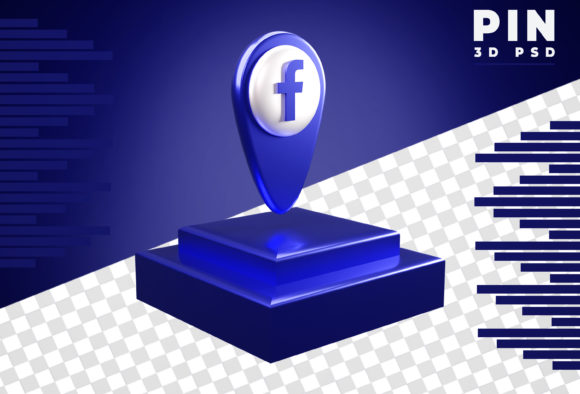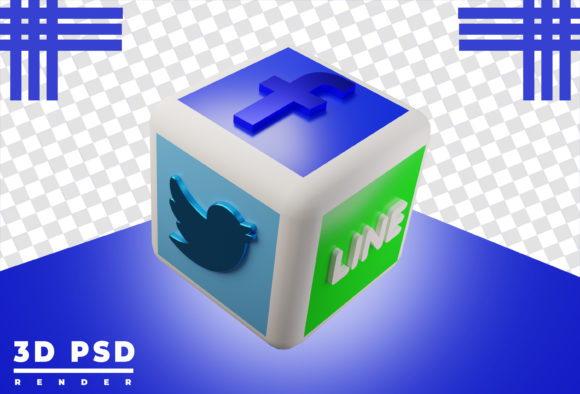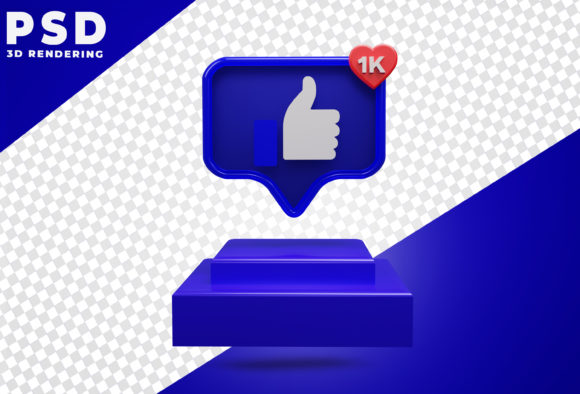
3d Logo Like Facebook Rendering: Elevating Your Digital Brand Presence
In the crowded digital landscape, visual identity is no longer just about a flat image; it is about depth, realism, and immediate recognition. When you encounter a 3d Logo Like Facebook Rendering, you are seeing a sophisticated approach to branding that transforms a simple vector into a tangible, immersive object. This technique mimics the high-quality, polished aesthetic found on major social platforms, offering your brand a sense of authority and modernity that standard 2D graphics simply cannot achieve. Whether you are a startup founder, a seasoned marketer, or a creative freelancer, understanding how to leverage this specific rendering style can be the difference between being ignored and being remembered.
The primary allure of using a 3D rendering for your logo lies in its ability to bridge the gap between digital screens and physical reality. Unlike a static JPEG, a 3D model allows light, shadow, and texture to interact dynamically with your brand mark. This creates a perception of quality and investment before a customer even clicks a link. However, while the visual impact is undeniable, there are common pitfalls in how creators and business owners approach these assets. Many assume that simply downloading a template guarantees professional results, but without understanding the underlying mechanics of smart objects and aspect ratios, the final output can look amateurish rather than premium.
Navigating Technical Pitfalls in Mockup Usage
One of the most frequent mistakes beginners make when working with advanced mockups, such as those designed for 3d Logo Like Facebook Rendering, is ignoring the file format requirements. A high-quality asset often comes in a layered Photoshop PSD format, which relies heavily on smart-object technology. If you attempt to open this file in software that does not support layers or smart objects, or if you try to resize the canvas directly without utilizing the smart-object layer, the entire design process collapses. The result is a stretched, pixelated image that destroys the illusion of depth you were trying to create.
To avoid this, always verify that you have access to Adobe Photoshop or a compatible application that supports PSD smart objects. The workflow is specific: you must double-click the smart object layer thumbnail to open the embedded window. It is crucial to understand that this is not a standard image insertion. Once you place your artwork inside this new window, save it, and return to the main document, the system automatically adjusts the frame and canvas to match your image's size and ratio. Skipping this step or manually resizing the outer layer will break the automatic adjustment feature, leading to distorted logos that do not fit the intended interior setting.
The Danger of Ignoring Aspect Ratios
Another overlooked detail involves the relationship between your source image and the mockup's frame. In the context of displaying your work on an online shop or blog, consistency is key. If your artwork has a non-standard aspect ratio, forcing it into a fixed frame without using the smart-object mechanism can crop essential parts of your design or leave awkward white space. This misalignment detracts from the professionalism of your presentation. Clients viewing your portfolio may subconsciously associate these technical errors with a lack of attention to detail in your actual services.
A better approach is to prepare your artwork specifically for the mockup dimensions before insertion. While the smart object layer is designed to adjust automatically, starting with a clean, correctly proportioned base image ensures that the "real interior" look remains authentic. For instance, if you are showcasing canvas prints, ensure your digital file matches the orientation (portrait or landscape) of the intended display environment. This preparation saves time and prevents the frustration of having to redo the render multiple times.
Selecting the Right Visual Context for Your Brand
Choosing where to apply your 3d Logo Like Facebook Rendering is just as important as the technical execution. These mockups are versatile tools capable of displaying everything from personal photos to corporate branding materials in realistic interiors. However, not every background suits every brand. A sleek, metallic 3D logo might look out of place in a rustic, wooden living room mockup, potentially confusing the viewer about your brand's identity. The goal is to enhance the message, not obscure it.
When evaluating potential mockups, consider the lighting and texture of the environment. Does the lighting in the scene complement the shadows of your 3D logo? Are the colors in the room harmonious with your palette? A mismatch here can make your artwork look like a sticker pasted onto a photo rather than a natural part of the space. This is particularly critical for entrepreneurs and small business owners who rely on social media to attract clients. A cohesive visual narrative builds trust, whereas a jarring combination can erode confidence in your product quality.
- Check the Resolution: Ensure the PSD file includes high-resolution smart objects so your logo remains crisp on large monitors and mobile devices.
- Verify Layer Compatibility: Confirm that the file works with your version of Photoshop to avoid compatibility issues that could delay your launch.
- Analyze the Lighting Direction: Make sure the light source in the mockup aligns with your logo's 3D shading to maintain realism.
Maximizing Value for Creators and Businesses
For professionals looking to showcase their work, these mockups offer a significant advantage over traditional photography. You do not need to rent a studio or hire a photographer to show how your art looks on a wall. By using a well-structured PSD file, you can instantly visualize your designs in various settings, from a modern office to a cozy home gallery. This flexibility allows you to tailor your marketing materials to different audiences without incurring additional costs.
However, the value extends beyond mere convenience. Using a 3d Logo Like Facebook Rendering effectively demonstrates a commitment to quality. It signals to your audience that you care about the details of your presentation. When a client sees their artwork rendered in a beautiful, realistic interior, they are more likely to envision owning it. This psychological connection can drive higher conversion rates for online shops and blogs. The key is to use these tools strategically, ensuring that the focus remains on the artwork itself while the environment provides the necessary context.
Finally, remember that the ease of use should not lead to complacency. Even though the process of inserting an image is straightforward—open the file, double-click the smart object, insert, save, and observe—the initial setup requires patience. Take the time to explore all the layers within the PSD file. Sometimes, adjusting the lighting or color balance of the background can further enhance the final result. By mastering these nuances, you transform a simple template into a powerful marketing asset that elevates your brand above the competition.