Festive 3D Xmas Decorations: A Modern Approach to Holiday Design
Festive 3D Xmas decorations have become a popular choice for those looking to add depth, texture, and visual interest to their holiday decor. Unlike traditional flat designs, these decorations offer a dimensional effect that can transform any space into a winter wonderland. Whether you're designing custom ornaments, wall art, or tabletop displays, understanding the nuances of 3D festive design is essential for achieving professional results.
What Are Festive 3D Xmas Decorations?
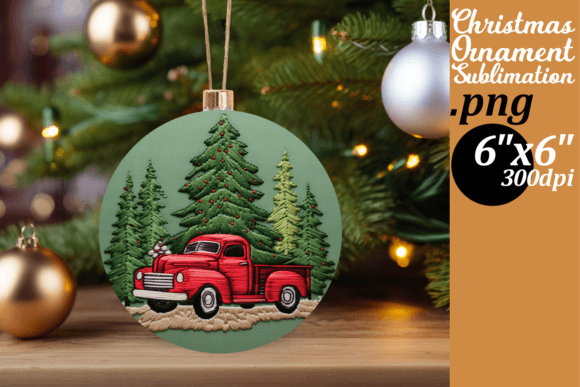
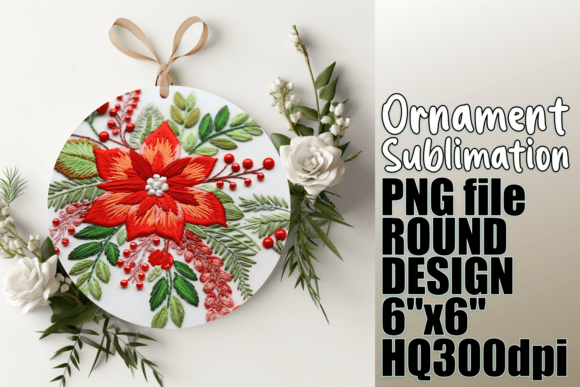
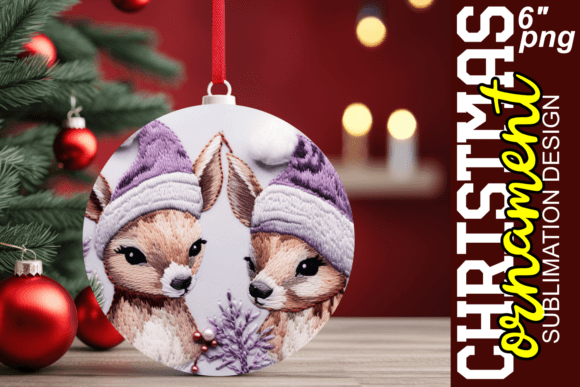
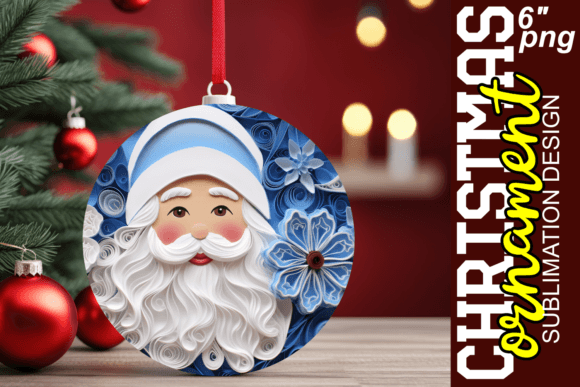
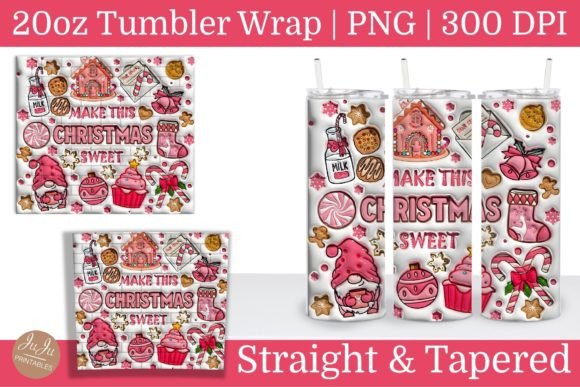
Festive 3D Xmas decorations refer to holiday-themed designs that incorporate depth and dimensionality, often created using digital tools and printed via sublimation techniques. These designs are commonly used on items like mugs, tumblers, keychains, and more, allowing for intricate patterns that appear to pop off the surface.
What makes these decorations distinct is their ability to create an illusion of depth through layered elements, shadows, and perspective. This technique allows designers to craft visually engaging pieces that stand out from standard 2D prints.
How Do Festive 3D Xmas Decorations Compare to Other Options?
When comparing festive 3D Xmas decorations with other decoration styles, several factors come into play, including visual impact, versatility, and production complexity. Traditional 2D prints, while simpler to produce, lack the depth and richness that 3D designs offer. On the other hand, hand-painted or embossed decorations may provide similar visual effects but often require more time and skill to create.
One of the main advantages of 3D festive designs is their adaptability across various materials and surfaces. Sublimation printing, in particular, allows for high-quality, durable prints that maintain their vibrancy over time. This makes them ideal for products that experience frequent use, such as drinkware or promotional items.
Strengths and Tradeoffs of Festive 3D Xmas Decorations
The primary strength of festive 3D Xmas decorations lies in their ability to capture attention and convey a sense of luxury or sophistication. The added dimension can make simple objects feel more valuable and unique. Additionally, these designs can be customized to fit specific themes, colors, or brand identities, making them highly versatile for both personal and commercial use.
However, there are tradeoffs to consider. Creating 3D festive designs requires a solid understanding of graphic design principles and sublimation techniques. Without the right software and equipment, achieving the desired effect can be challenging. Moreover, the process may take longer than producing flat designs, especially when multiple layers or complex elements are involved.
Best-Fit Situations for Festive 3D Xmas Decorations
Festive 3D Xmas decorations are particularly well-suited for individuals or businesses looking to elevate their holiday offerings. For example, boutique owners selling personalized gifts may find that 3D festive prints on mugs or tumbler sets attract more attention and command higher prices. Similarly, event planners might use these designs for themed parties or seasonal promotions.
For home decorators, 3D festive designs can be used to create eye-catching centerpieces, wall hangings, or even custom holiday cards that stand out from generic options. The key is to ensure that the design complements the overall aesthetic of the space without overwhelming it.
When to Consider Alternatives
While festive 3D Xmas decorations offer many benefits, they may not be the best choice for every situation. If budget constraints are a concern, simpler 2D designs may be more cost-effective, especially for large-volume orders. Additionally, if the intended use involves frequent washing or exposure to harsh conditions, alternative materials or printing methods may be necessary to ensure longevity.
In some cases, handcrafted or laser-cut decorations may provide a similar level of detail and visual appeal without requiring digital design expertise. These options can be particularly appealing for those who prefer a more tactile or artisanal approach to holiday decorating.
Practical Examples and Use Cases
To better understand how festive 3D Xmas decorations can be applied in real-world scenarios, consider the following examples:
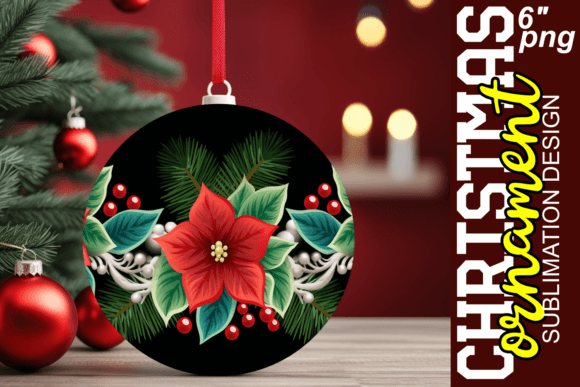
- Custom Ornaments: Using 3D festive designs on wooden or plastic ornaments can create a striking contrast between the smooth surface and the textured print.
- Wall Art: Large-format 3D festive prints can serve as focal points in living rooms or entryways, adding a touch of holiday cheer throughout the season.
- Drinkware: Mugs and tumblers with 3D festive patterns can be personalized for friends, family, or clients, making them memorable and reusable holiday gifts.
- Tabletop Displays: Miniature 3D festive prints on acrylic stands or coasters can be used to decorate tables, mantles, or desks during the holiday season.
Each of these examples highlights how 3D festive designs can be tailored to different purposes and environments, offering flexibility and creativity in holiday decorating.
Key Considerations Before Getting Started
Before diving into creating festive 3D Xmas decorations, it's important to assess your needs and capabilities. Ensure that you have access to the necessary software and equipment, such as vector-based design tools and a sublimation printer capable of handling high-resolution images. Additionally, familiarize yourself with the best practices for preparing files for sublimation, including proper sizing, resolution, and color management.
If you're new to this process, starting with simple designs and gradually moving to more complex ones can help build confidence and refine your skills. It's also worth noting that while the initial investment in equipment and software may seem significant, the long-term benefits of being able to produce high-quality, customizable 3D festive decorations can be substantial.
Finally, always test your designs on sample materials before committing to large-scale production. This step can help identify any potential issues with color accuracy, image quality, or material compatibility, ensuring that your final products meet your expectations.