Exploring the Art of 3D Christmas Ornaments Sublimation
The world of holiday decorations has evolved dramatically with the advent of sublimation printing, particularly when it comes to creating 3D Christmas ornaments. These intricate designs offer a unique blend of artistry and technology that allows for vibrant, durable, and personalized holiday décor. Whether you're a professional decorator, a hobbyist, or someone looking to add a personal touch to your festive season, understanding the nuances of 3D Christmas ornaments sublimation can open up a realm of creative possibilities.
The Science Behind Sublimation Printing
Sublimation printing is a process that involves transferring dye onto a surface using heat. This method differs from traditional printing techniques because the ink transitions directly from a solid to a gas without passing through a liquid state. This unique property ensures that the colors remain vibrant and do not fade easily, making it an ideal choice for high-quality prints on various materials.
When applied to 3D Christmas ornaments, this technique allows for detailed and colorful designs that wrap around the contours of the ornament. The result is a visually stunning piece that captures the essence of the holiday season while maintaining durability against the elements.
Essential Equipment for Sublimation
To effectively use sublimation for 3D Christmas ornaments, having the right equipment is crucial. A reliable sublimation printer, such as those designed for DTG (Direct-to-Garment) printing, is essential. Additionally, a heat press that can maintain consistent temperatures is necessary to ensure the ink adheres properly to the surface of the ornament.
It's also important to have the appropriate sublimation inks, which are specifically formulated for this process. These inks are typically available in a wide range of colors and can be mixed to create custom shades, allowing for endless design possibilities.
Designing for 3D Christmas Ornaments
Creating a design for 3D Christmas ornaments requires careful consideration of the shape and size of the ornament. Since these ornaments are three-dimensional, the design must be tailored to fit the contours of the object. This means that the artwork should be created in a way that allows for seamless wrapping around the ornament’s surface.
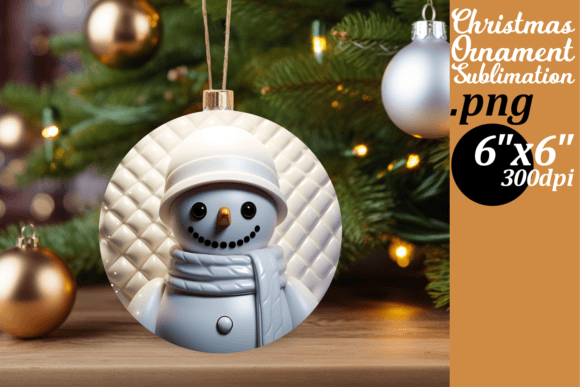
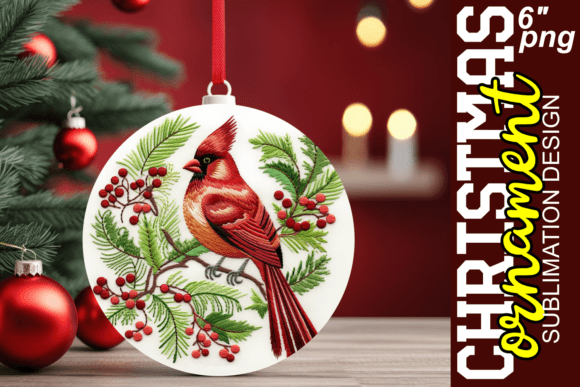
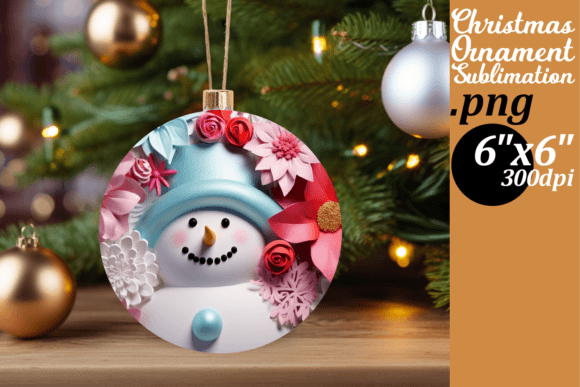
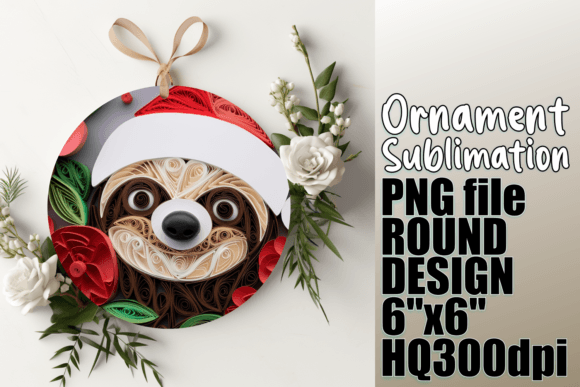
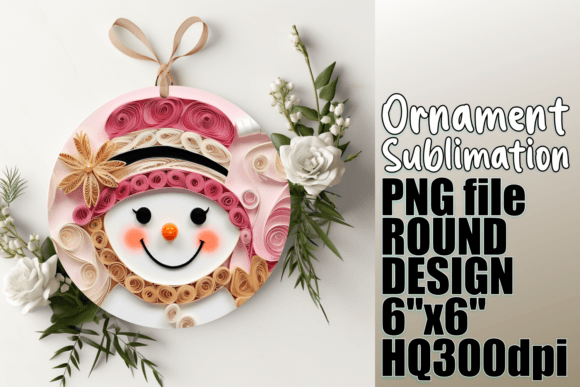
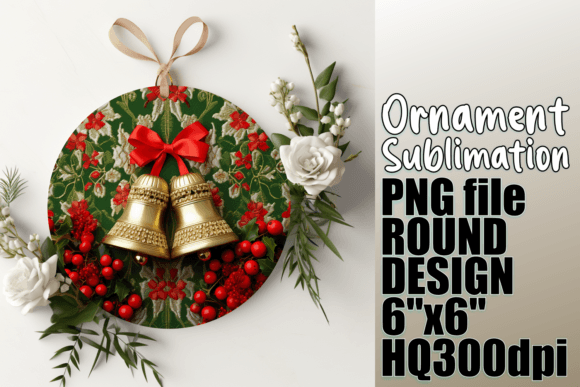
Using graphic design software such as Adobe Illustrator or Photoshop can help in creating vector-based designs that are scalable and maintain clarity at any size. It's also beneficial to work with templates that are specifically designed for sublimation, like the PNG file provided, which is optimized for 6-inch x 6-inch round sublimation prints.
Designers should also consider the resolution of the image, ensuring that it is at least 300 DPI to guarantee sharpness and clarity when printed. High-resolution images are vital for achieving professional results, especially when the final product will be displayed prominently during the holidays.
Applications of 3D Christmas Ornaments
The versatility of 3D Christmas ornaments makes them suitable for a variety of applications. From personal use to commercial purposes, these ornaments can be customized to reflect individual tastes or brand identities. For instance, businesses can create branded ornaments that serve as promotional items during the holiday season.
Additionally, educational institutions can utilize these ornaments as part of their holiday celebrations, incorporating student artwork into the designs. This not only fosters creativity but also provides students with hands-on experience in the sublimation printing process.
For hobbyists, creating unique 3D Christmas ornaments can be a fulfilling project that allows for experimentation with different designs and color combinations. The ability to personalize each ornament adds a special touch that can make the holiday season more meaningful.
Considerations for Sublimation Projects
While sublimation offers numerous benefits, there are several considerations to keep in mind when undertaking a project involving 3D Christmas ornaments. First and foremost, it's essential to understand the properties of the materials being used. Not all surfaces are suitable for sublimation, so selecting the right substrate is crucial for achieving optimal results.
Another factor to consider is the preparation of the surface before printing. Ensuring that the ornament is clean and free from any oils or contaminants can significantly impact the quality of the final print. Proper surface preparation helps the sublimation ink adhere better, resulting in a more vibrant and long-lasting design.
Lastly, it's important to follow the manufacturer's guidelines for both the printer and the heat press. Each device may have specific settings and recommendations that should be adhered to for best results. Deviating from these guidelines can lead to issues such as uneven coloring or poor adhesion of the ink.
Tips for Successful Sublimation
To ensure success with your 3D Christmas ornaments sublimation projects, consider the following tips:
- Test Prints: Before committing to a large batch, perform test prints on small samples to ensure that the colors and patterns meet your expectations.
- Consistent Heat: Maintain a consistent temperature throughout the sublimation process to prevent issues such as fading or uneven color distribution.
- Quality Materials: Invest in high-quality sublimation inks and papers to achieve the best possible results. Lower-quality materials can compromise the final outcome.
- Design Review: Always review your design for accuracy and clarity before printing. Any errors in the design can lead to wasted materials and time.
By keeping these tips in mind, you can enhance your sublimation experience and produce stunning 3D Christmas ornaments that are sure to impress.
The Future of 3D Christmas Ornaments Sublimation
As technology continues to advance, the future of 3D Christmas ornaments sublimation looks promising. Innovations in printing technology are likely to make the process even more accessible and efficient, allowing for greater customization and creativity. As more people become aware of the benefits of sublimation, we can expect to see a rise in demand for personalized holiday décor.
Moreover, the trend towards sustainability in the decorative arts industry may influence the materials used in sublimation. As eco-friendly options become more prevalent, designers and manufacturers may explore biodegradable or recyclable substrates for their 3D Christmas ornaments, further enhancing the appeal of sublimation as a viable option for holiday decoration.
In conclusion, the art of 3D Christmas ornaments sublimation offers a unique opportunity to blend creativity with technology, resulting in beautiful, personalized holiday décor. By understanding the science behind sublimation, selecting the right equipment, and considering the various applications and considerations, anyone can successfully create stunning 3D Christmas ornaments that capture the spirit of the season.